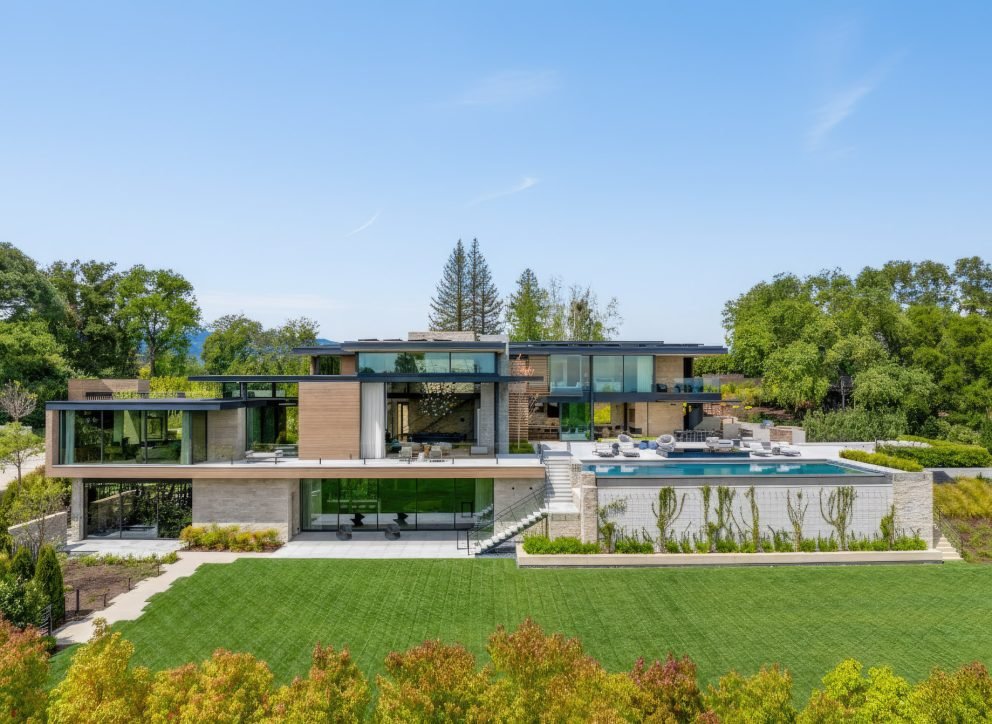
Almost every buyer searching the mid-Peninsula ends up looking at both. Atherton and Menlo Park sit directly adjacent to one another in San Mateo County, many of their children attend the same high school, and a house on one side of a given street can carry a very different price than one across the way. Buyers naturally assume the two towns are close substitutes.
They aren't. They are built on opposite premises. Atherton is organized around land and privacy; Menlo Park is organized around access and activity. Understanding that difference — and how each town's rulebook constrains what you can actually do with a property — is the difference between buying well and buying a compromise you didn't intend.
The structural difference: lot size and zoning
Atherton is a residential town by design. It has essentially no commercial corridor, no downtown, and no retail to speak of. Its primary residential district, R-1A, carries a minimum lot size of one acre for new subdivisions, with floor-area limits that scale to the parcel. A second district, R-1B, allows smaller lots. The practical result is a town of large, heavily landscaped parcels where the streetscape is hedges and gates rather than storefronts.
That zoning has two consequences buyers should price in. First, land dominates value. In Atherton, you are largely buying dirt, and the improvements sitting on it may or may not represent their replacement cost. Second, floor area is capped as a ratio of the lot — so the house you imagine building may or may not fit the parcel you're considering. Verify current standards directly with the Town of Atherton before you make assumptions about square footage, setbacks, or accessory structures.
Menlo Park is the opposite kind of place: a full city with a downtown, multiple commercial corridors, an active Caltrain station, a wide range of housing types, and neighborhoods that vary dramatically in character from one to the next. Lot sizes are generally much smaller. Zoning is more varied. And because Menlo Park has meaningful transit infrastructure, it sits squarely in the path of California's ongoing housing legislation — a factor worth understanding if you're evaluating a property for its long-term development or density potential.
How the two towns actually live
This is where most buyers make their real decision, and it deserves to be stated plainly.
- Atherton is quiet, private, and car-dependent. You will drive for coffee, groceries, and dinner. In exchange you get acreage, mature trees, seclusion, and a residential environment with very little through-traffic. For families who want space and separation, that's the entire point.
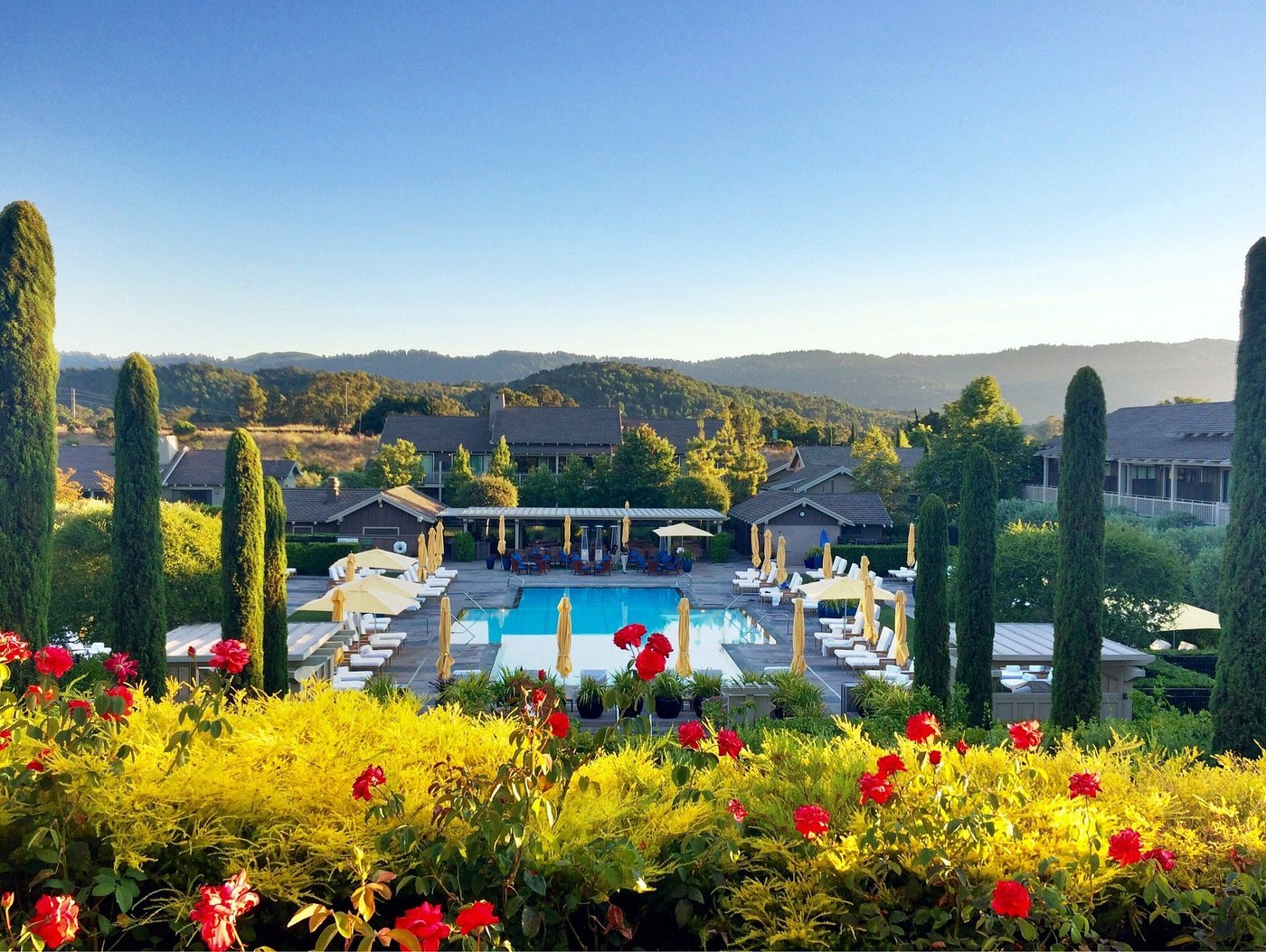
- Menlo Park is connected and walkable in parts. Downtown Santa Cruz Avenue, the Caltrain station, Stanford's proximity, and the major employer campuses nearby make it a genuinely convenient place to live. Some neighborhoods are quiet and leafy; others are urban in feel. It is not one market, and treating it as one is a common and expensive error.
- Neither is a substitute for the other. Buyers who prioritize privacy rarely end up happy in a walkable Menlo Park neighborhood, and buyers who value walkability often find Atherton isolating. Be honest with yourself about which you actually want before you start comparing price per square foot.
Schools: shared, but not simple
The school picture here confuses more buyers than any other factor, because district boundaries do not follow city limits. Both Atherton and Menlo Park addresses are served by elementary districts — including the Menlo Park City School District and the Las Lomitas Elementary School District — whose boundaries cut across both towns. At the high school level, families in this area generally fall within the Sequoia Union High School District, which serves a much broader set of Peninsula communities.
The takeaway is simple: never infer a school from a town name or a mailing address. Two houses a block apart can feed different elementary districts. Boundaries also change over time. Confirm enrollment eligibility for a specific address directly with the districts before it factors into your decision.
How I'd frame the choice
If your priority is land, privacy, and the ability to build something substantial on a large parcel, Atherton is the more direct path — provided you underwrite the zoning envelope carefully rather than assuming what the lot will accommodate. If your priority is proximity, walkability, transit, and neighborhood variety, Menlo Park offers options Atherton structurally cannot, and rewards buyers who understand that its sub-markets behave independently.
The buyers who do best in both towns share one habit: they evaluate the specific parcel — its zoning district, its floor-area envelope, its school assignment, its permitting path — before they fall in love with the house. That's the work worth doing first, and it's the work I do before anyone writes an offer.
Weighing Atherton against Menlo Park?
Send me the addresses you're considering and I'll give you a straight read on the zoning, the school assignment, and what each parcel will actually support.
Start a ConversationSources & Further Reading
Atherton Municipal Code — Development Standards →Town of Atherton — Official Site →Sequoia Union High School District — District Profile →Payne Sharpley is a Silicon Valley real estate agent with Intero | Forbes Global Properties and co-founder of Citis, a housing-entitlement intelligence platform. CA DRE #02195155. This article is general information, not legal advice. Zoning standards, floor-area limits, and school attendance boundaries change — confirm current specifics with the relevant local authority.